The Rappareetions Project
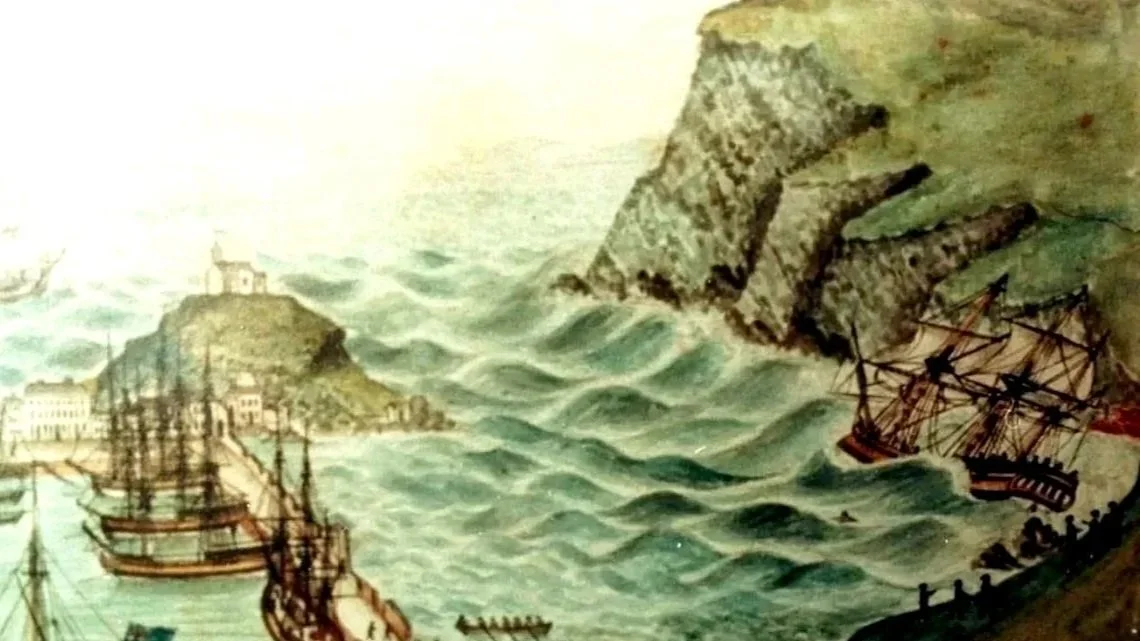
Image of a painting by the artist J. Walters, depicting the wreck of The London
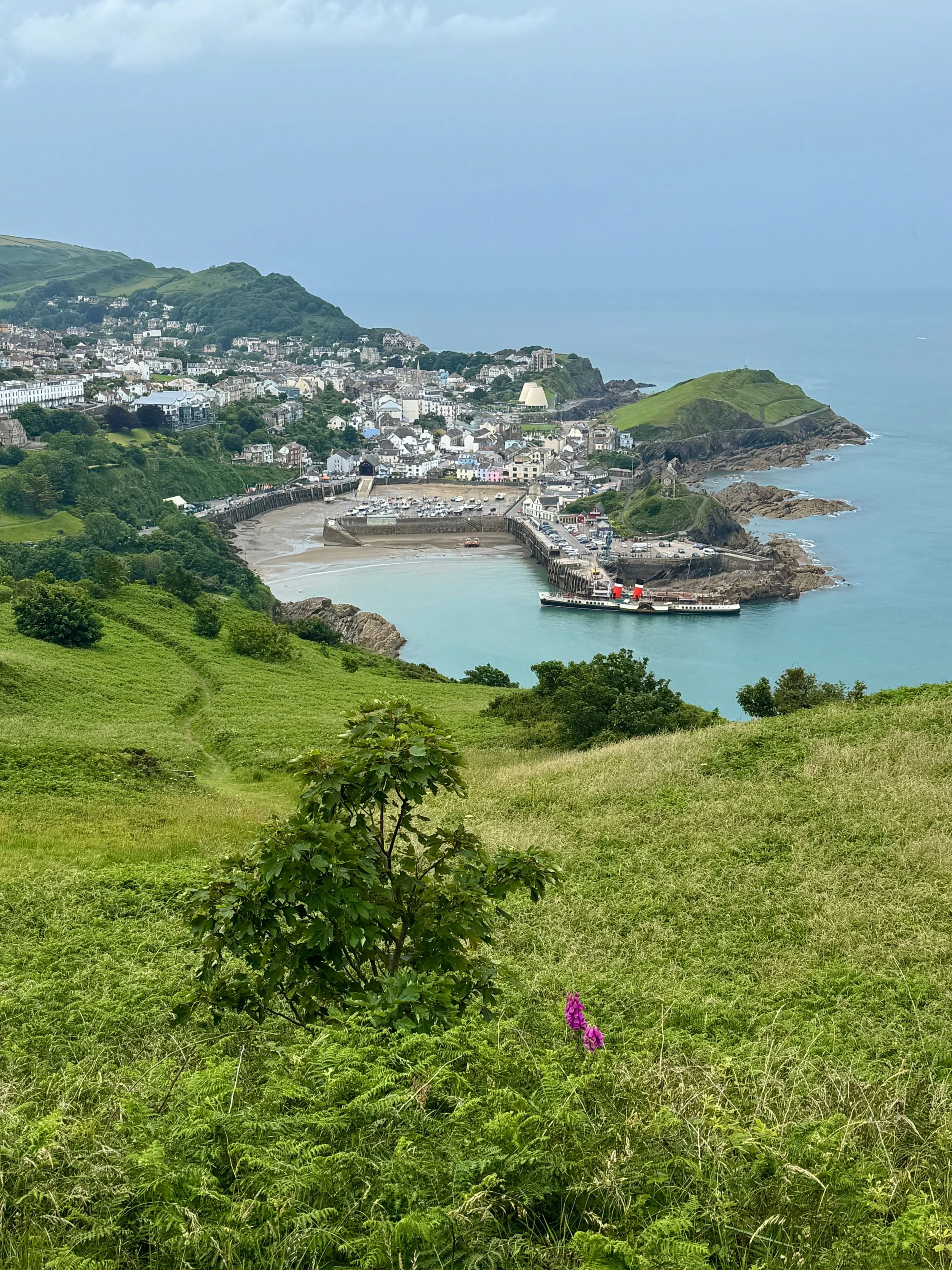
Ilfracombe. Image by Petra Nesti via Pexels
An art and archive research project, exploring story of The London.
The Rappareetions Project is a collective, creative response, commemorating the voices and stories of the East Caribbean Prisoners of War who in 1796 were shipwrecked in Rapparee Cove, Ilfracombe, North Devon.
Freed from enslavement by the ideals of the French Revolution to fight against the British over sugar colonies, the soldiers were captured and brought back to England in a convoy of military ships. The London was heading for Bristol when it ended up wrecked in the cove.
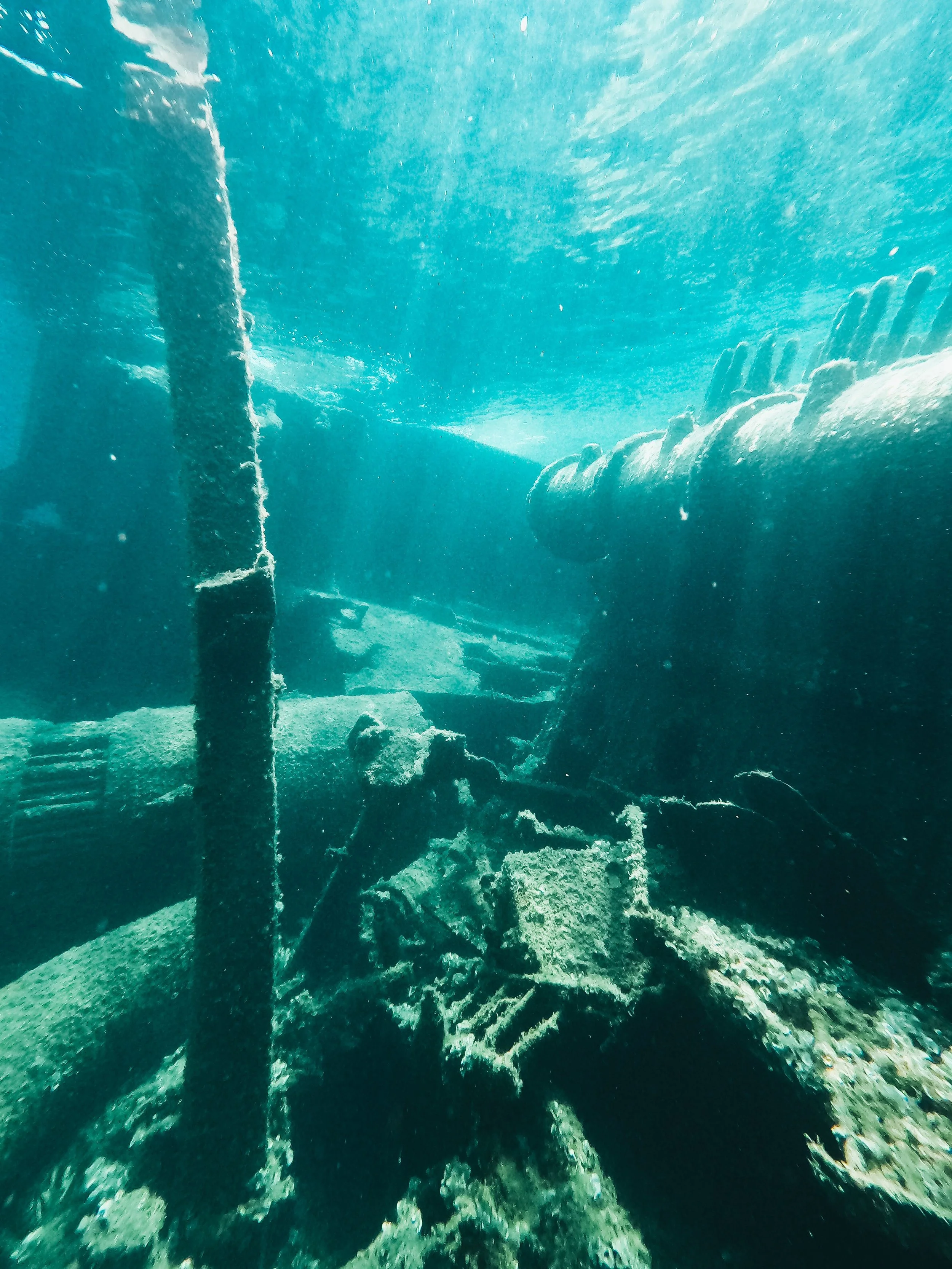
Image by Milan via Pexels
Some of the prisoners died in the wreck. Some washed up dead on the shore. Survivors were taken to Bristol and interned at Stapleton Prison.
Using the funeral as a conceit to develop original work for an interdisciplinary performance, The Rappareetions Project invites a collective of Black Atlantic artists to respond to the soldiers’ stories. Artists with inherited experiences of crossing the Atlantic by sea.
Through a Black Atlantic lens.
Lockdown in Ilfracombe.
I lived for a year (that year) in Ilfracombe, on the back of a trip to Southeast Africa. Partly inspired by Johny Pitts’ book Afropean, exploring Black presence in Europe, and partly by my own experiences of travel as an ‘Afropean’ woman, I was thinking about the uncountable ways Africa and Europe intersect. At the same time as training to become a funeral celebrant.
I came across the story of the shipwreck through a plaque at Rapparee Cove, which talks about St Lucian Prisoners of War. Why weren’t they described as French, given St Lucia was then a French colony? I understood there was more to the story, and there is.
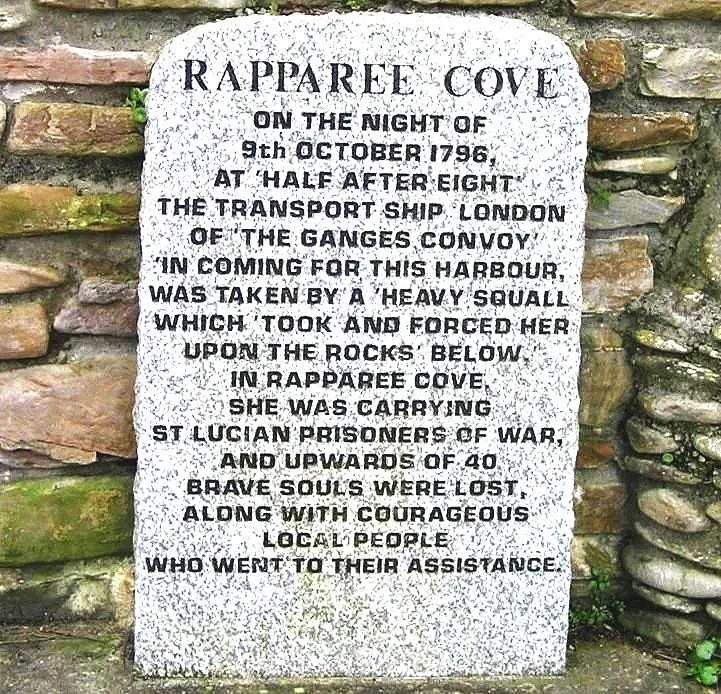
On-site plaque at Rapparee Cove. Image via Visit Ilfracombe
Research & development.
In 2024, I received a WECA Creative Freelancer Grant to do some preliminary research to inform the creative responses. I visited the National Archives, and the Cairn, Guildhall, and Bristol Central Libraries, an experience that taught me how much there is to know about this story and period of history.
Since then I’ve been building a top team of creatives; poets, singers, dancers, writers, sound artists and filmmakers. Watch this space to see how the project unfolds!
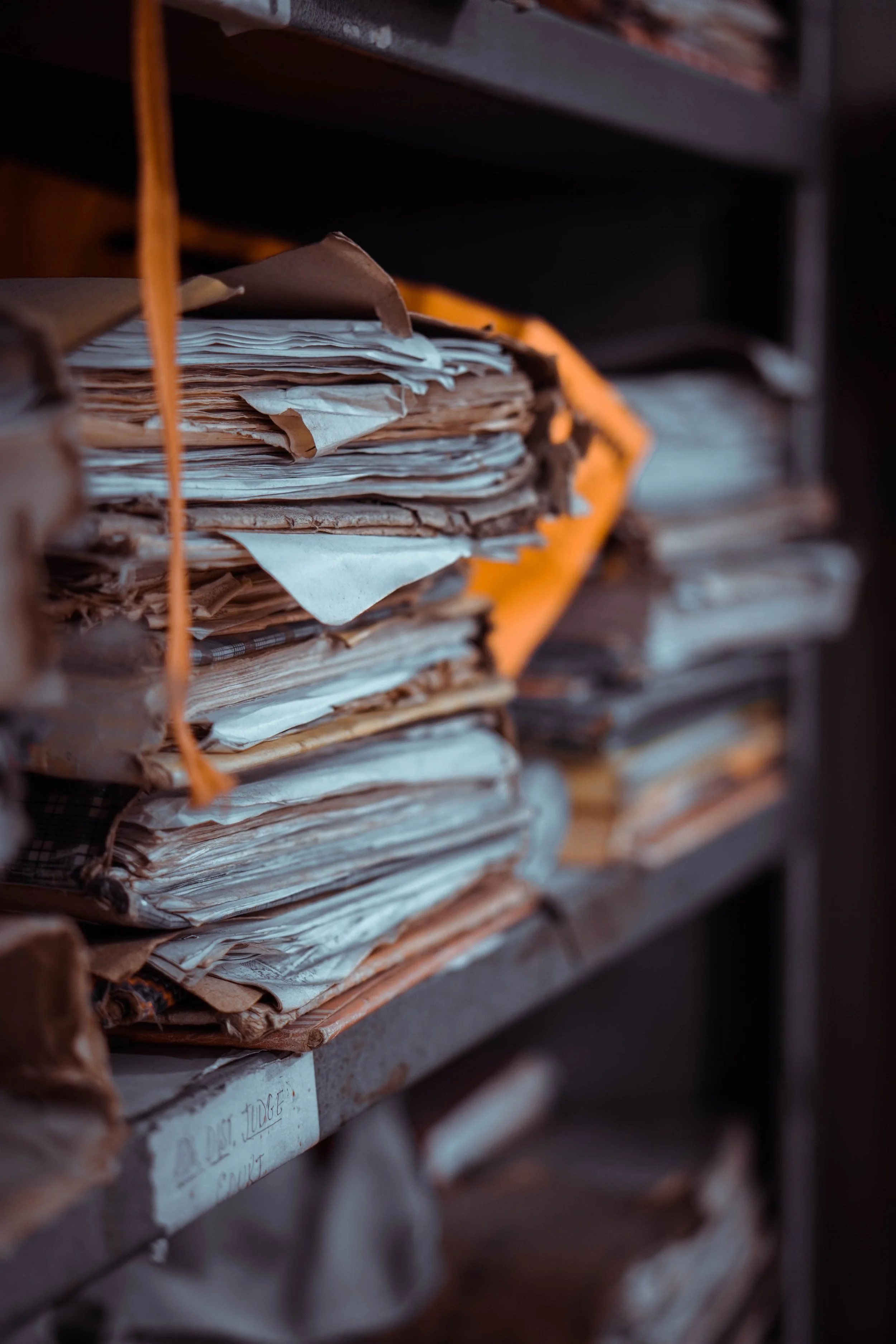
Image by Muhammad Jawadur Rahman via Pexels